Professional Tree Removal & Trimming in Brainerd Lakes Area
Go Back

Ensuring Tree Health & Safety: A Guide for Homeowners

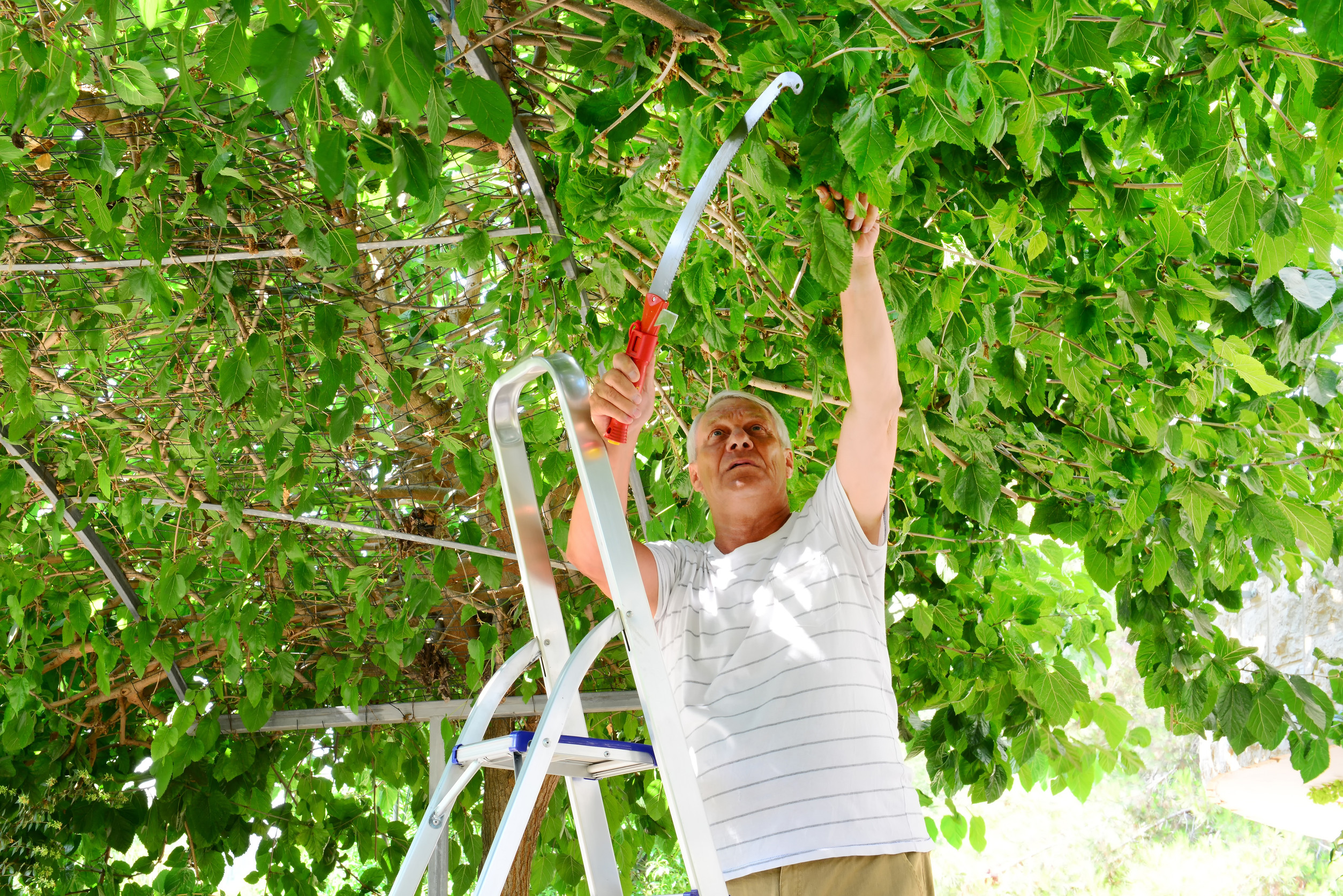
An older man stands on a stepladder and trims branches from a leafy tree with a pruning saw on a sunny day.

Homeowners in the Brainerd Lakes Area understand just how special their landscapes are — serene lake views, mature pines, rugged terrain and that unmistakable Minnesota presence. For those with properties nestled among the forest and shore, caring for the trees around your home isn’t just a luxury—it’s essential. With more than 20 years serving the region, Whits End Tree Care brings the expertise and know-how to keep your property safe, healthy and visually appealing.

In this reference piece, we’ll walk through the key considerations when it comes to tree health, removal, trimming and long-term care. While no strong sales calls-to-action are included, you’ll come away better equipped to understand what matters — and what questions to ask.


1. Why Tree Services Matter in the Brainerd Lakes Area

The natural environment around Baxter, Brainerd and the Lakes Area is full of beautiful mature trees, varied terrain and changing weather. With this comes a few unique factors:

  • Storms, heavy snow and wind can stress tree structures or cause unexpected failures.
  • Trees touching homes, cabins, driveways or powerlines present potential hazards.
  • Mature stands of trees offer value in shade, aesthetics and property character—but that value can diminish if trees are neglected.

Whits End Tree Care emphasizes training, licenses and insurance—indications that working around these landscapes requires serious care. Understanding this backdrop helps you view tree care not just as maintenance, but as protecting your investment and safety.


2. Tree Removal: When & Why It’s Required

Sometimes the best decision isn’t trimming but full removal. Here are key signals and factors:

When to remove a tree

  • A tree is dead or dying, with major branches clearly compromised.
  • The tree poses a direct risk to structures, driveways, cabins or powerlines.
  • After storm damage, where limbs or the trunk have been torn, uprooted or cracked.
  • When land clearing is needed for construction, additions or major landscaping change.
    Whits End Tree Care lists tree removal as a core service.

Why removal matters

Removing a hazardous tree prevents damage, liability and unwelcome emergencies. From an aesthetic perspective, removal can free up light, improve neighbour tree health and create space for new plantings.
It’s also worth noting: The earlier you address a compromised tree, the fewer downstream costs you will likely face (for property damage, stump removal or negative landscape impact).

Considerations before removal

  • Tree species, age and proximity to structures.
  • Access (will heavy equipment be needed, is the land steep?).
  • What will you do with the stump and wood debris? A stump often remains after the removal and can pose trip hazards, rot issues or insect attractants.
    Whits End Tree Care provides stump grinding and full cleanup.
  • Will the removal change lighting, drainage or the look and feel of your property? Sometimes a tree removal has cascading effects on how the yard functions or feels.
  • Check for regulations, especially if the tree is near water, wetland or protected zones in Minnesota.

3. Trimming & Pruning: The Preventative Cornerstone

While removal is reactive, trimming and pruning are proactive. Regular upkeep can keep trees healthier, reduce hazards and enhance the look of your landscape. According to several industry sources, benefits include improved structure, reduced disease/pest risk, better light/airflow and longer tree life.

Key tasks in trimming/pruning

  • Removing dead, dying or weak limbs before they fall. (Especially important in storm-prone areas.)
  • Thinning canopy to improve light and air penetration, which helps undergrowth and prevents fungal issues.
  • Raising canopy (removing lower branches) so walkways, driveways, buildings have clearance and so property access is safe.
  • Structurally corrective pruning on younger trees to prevent poor branch angles, co-dominant stems or weak attachments.
  • Seasonal timing: While every situation differs, many arborists recommend late winter to early spring for most major cuts. Pruning at the wrong time can stress the tree.

Why trimming matters locally

In the Lakes Area environment, with its snow load, wind and proximity of trees to cabins and lakefront, neglecting trimming can rapidly lead to failure of limbs, branches hanging over cabins or roofs, or trees leaning excessively into open space. A trimmed, well-maintained tree is less likely to become a liability.

Best Practice Reminder

Even though trimming seems simple, poor cuts or incorrect removal of limbs can create decay pockets, weak stubs or long-term health issues. Hiring experienced professionals (licensed, insured) is a wise move.


4. Stump Grinding & Land Clearing: Finishing the Job

After removal, what happens to the stump and the site? These components matter for both safety and aesthetic reasons.

Why stump grinding is important

  • Stumps left behind can be tripping hazards, attract pests or decay unpredictably.
  • They can impede future planting, yard use or landscaping expansion.
  • Grinding them down enables a smoother surface, safer yard and cleaner look.

Whits End Tree Care lists “Complete stump elimination using specialized grinding equipment” as part of their services.
Also, “Land Clearing” is offered for construction or major site work.

Clearing responsibly

When clearing larger areas (for additions, new cottages, lake-access zones) keep in mind:

  • Preserving necessary shade and wind protection from trees that will remain.
  • Minimizing soil erosion, especially near lake shores and sloped terrain.
  • Considering what new plantings or tree placements will look like in 5–10 years (not just today).
  • Debris removal and proper disposal or recycling of wood—good providers include this in the service.

5. Tree Health Assessments, Hazard Identification & Long-Term Care

Beyond immediate tasks, ongoing tree health matters. Here’s what a conscientious homeowner should keep an eye on:

What to watch for

  • Dead or hanging branches.
  • Trees leaning uncharacteristically toward structures.
  • Cracks or splits in trunks, especially near the base or major limbs.
  • Pest or disease signs: unusual bark loss, fungal growth, sculpting of branches.
  • Canopy thinning or dead spots in what used to be full foliage.
    Whits End Tree Care lists “Tree Health Assessment” as one of their services.

Tree care habits

  • Schedule periodic professional inspections—especially after heavy storms or snow seasons.
  • Maintain a trimming/pruning cycle. Many trees benefit from some structural pruning every 3–5 years, more often if younger or in challenging positions. (Industry sources support this interval.
  • Pay attention to site conditions: Is your tree too close to a roof, is the root zone being compromised by construction, is drainage changing?
  • For lake-area lots, consider wind, water table changes and erosion when assessing tree stress.

6. Seasons, Timing & Your Local Landscape

In Minnesota’s Lakes Region, timing is particularly relevant.

  • Late winter/early spring is often ideal for structural pruning before active growth begins.
  • After winter storms, inspect for new vulnerabilities: heavy snow, ice, or wind may have damaged previously healthy trees.
  • Summer growth may require light trimming (removing deadwood, crossing branches), but heavy cuts in hot/dry weather can stress trees. Some sources caution about trimming in non-dormant times.
  • Fall is often better reserved for cleanup and assessment rather than major cuts—trees are preparing for dormancy.

Local terrain with lakeshore, slopes and mixed species means your service provider must know how to safely rig trees, protect structures, and operate equipment in more challenging settings. Whits End Tree Care states they have “lift-assisted projects using our 55-foot lift, and even complex technical climbing”.


7. Choosing the Right Tree Care Partner

Since not all tree services are equal, consider these factors when evaluating providers—even if you already work with a trusted company:

  • Are they licensed and insured for tree work in your region? Whits End Tree Care advertises this explicitly.
  • Do they have experience in your terrain (slopes, lake-adjacent lots, heavy wind zones)?
  • Can they show recent work and testimonials in your community? For example, Whits End lists reviews from local homeowners.
  • Do they offer full cleanup and stump removal, or only basic felled-tree service?
  • How do they approach safety, equipment, arborist training and rigging? Especially important when trees are near structures or utility lines.
  • Do they discuss long-term health, not just removal or one-time cuts?
  • For bigger jobs: Do they handle land clearing, site prep and coordinate with other builders if you’re doing construction?

8. Common Homeowner Questions & Misconceptions

Here are a few things homeowners often wonder about:

Q: Can I just do the trimming myself?
A: For small branches in safe zones, yes—but large trees, limbs near buildings, power lines or in slippery lakeshore terrain are best handled by professionals. Also, poor cuts can harm tree health long-term.

Q: How often should I have a tree checked or trimmed?
A: While it varies by species and location, many healthy mature trees benefit from inspection every 2–5 years and trimming every 3–5 years, more often if in a risk-zone (close to structures, slopes, or heavy exposure).

Q: Is removal always needed if a branch falls?
A: Not necessarily—but if the tree’s structure is compromised (multiple lost limbs, cracks in trunk, root exposure), removal may be the safer, smarter choice.

Q: Will trimming reduce my tree’s lifespan?
A: Actually, done correctly, trimming tends to extend tree life by improving structure, reducing disease/pest risk and eliminating stress points. Many sources support this.

Q: What about wild/native trees near the lake—are they treated differently?
A: Yes. Trees in native or shoreline zones may have restrictions, need special equipment or practices, and should be evaluated for environmental impact (erosion, habitat, root systems). Good service companies will account for that.


9. Summary & Next Steps

For homeowners in the Brainerd Lakes Area, proper tree care isn’t optional—it’s both a safety matter and a landscape enhancement opportunity. Whether you’re maintaining mature motes of pines, dealing with a storm- inflicted downed tree, or planning a new construction and clearing site, understanding tree removal, trimming, stump grinding and long-term health is essential.

While this post is informational in nature, knowing how to ask the right questions means you’ll be more confident when you engage a service, review estimates, or inspect your property.

If you wish to explore more on how tree trimming benefits tree health or the risks of delaying care, reputable resources include the article “5 Benefits of Pruning and Trimming Trees” by TruGreen.
Whits End Tree Care
Whits End Tree Care, we provide expert tree removal services designed to ensure your property remains safe, healthy, and beautiful. Whether you're dealing with hazardous trees, overgrown branches, or trees that are simply in the way of your plans, our skilled team is here to help.
A bearded man in a red plaid shirt holds an axe over his shoulder, standing in front of pine trees and a tan circle. Below him, a wooden sign reads "Whits End Tree Care" in bold letters.
JOIN US ON FACEBOOK
CONTACT US
Services
  • Trimming
  • Pruning
  • Removal
  • 24-Hour Strom Damage
  • Brush Cutting
  • Site Clearing
  • Stump Grinding
Content Copyright @ 2025 All RIghts Reserved
Website Designed By Mixture Web