
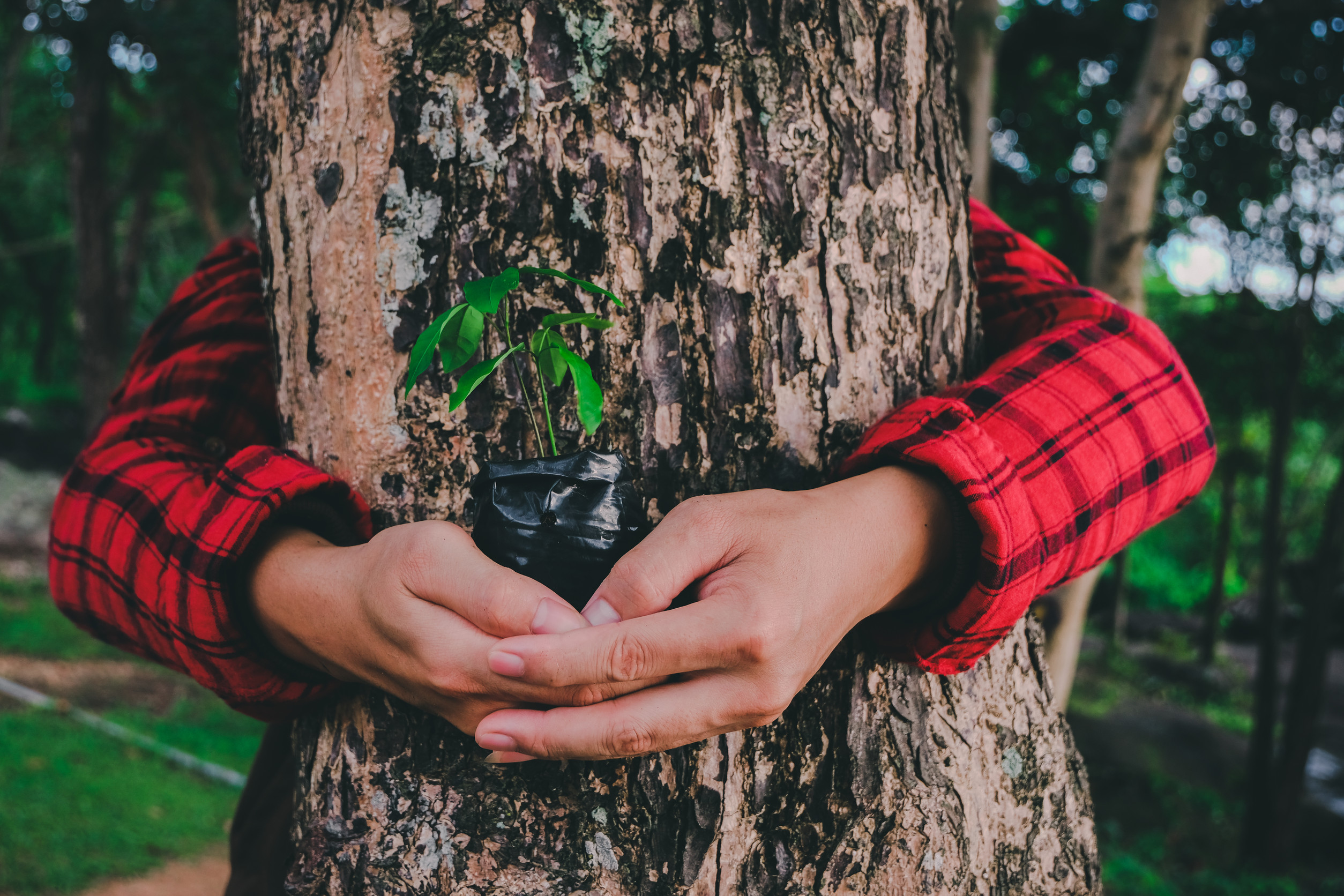
Trees are a cornerstone of Minnesota property life. They shade cabins and homes, frame shorelines, anchor wildlife habitats, and make a yard feel like a place rather than a plot. But in the Brainerd Lakes region and surrounding counties, trees also live under pressure: wet spring soils that loosen roots, summer storms with unpredictable wind fetch, heavy snow and ice loads, and pest or disease cycles that thrive in our seasonal extremes. Add in the fact that many lake properties spend stretches unoccupied, and tree care here becomes a practical necessity, not a luxury.
Whits End Tree Care, based in the Brainerd Lakes area, offers a service mix that mirrors what Minnesota property owners actually need: tree removal, trimming and pruning, stump grinding, brush cutting, site clearing, and 24/7 storm damage response. They describe themselves as a family-owned, fully insured, licensed tree service with over 20 years of regional experience and equipment suited for technical removals, including lift-assisted work and climbing. Their website is also clear about coverage areas across Crow Wing, Cass, Aitkin, Morrison, and Mille Lacs counties.
This post is a professional reference guide to tree care in Central and North-Central Minnesota, using Whits End’s service approach as a grounded example. The goal is simple: help you understand when trees need trimming, when removal is the safer option, how storm recovery should work, and what “good tree care” looks like in a climate that never stays still. No hard selling, no panic—just practical clarity.
If tree care were only about aesthetics, most Minnesota owners could ignore it for years. But our climate turns minor tree issues into major property risks faster than many people expect.
Spring thaws loosen soil just as trees leaf out and become wind sails. Root plates that were stable in January can shift by April, especially near shorelines or in saturated lawns.
The Brainerd Lakes area sees summer thunderstorms that can go from calm to chaotic in minutes. Wind doesn’t just break branches; it can twist trunks, split crotches, and destabilize root systems. Whits End highlights round-the-clock storm service because these events are both common and time-sensitive.
Minnesota winters create two stresses: sheer weight and sudden snaps. Conifers can bend long-term under heavy snow, while deciduous trees may crack during icy storms. Damage often isn’t obvious until growth resumes.
Emerald ash borer, Dutch elm disease, oak wilt, and fungal rot thrive when trees are already stressed by climate swings. A tree can look “mostly fine” while internal decay progresses.
The takeaway is not that Minnesota trees are fragile. It’s that risk escalates quietly if trees aren’t assessed and maintained with our seasons in mind.
On paper, trimming and pruning are close cousins. In practice, they serve different goals.
Trimming typically focuses on shaping and clearing:
Whits End positions trimming as a way to protect property while keeping trees attractive and healthy.
Pruning is more diagnostic. It aims to:
Professional pruning is a “less now, more later” strategy. Done correctly, it reduces future removals and improves storm resilience.
A key Minnesota note: heavy pruning late in fall can make some species more vulnerable to winter injury. Timing matters, and a local arborist understands those windows better than generic advice.
Tree removal is never the first preference for most homeowners. But in Minnesota, removals are often the most responsible choice when risk outweighs the tree’s long-term viability.
Whits End specializes in removal for hazardous trees, overgrown or compromised trees, and problem trees that threaten structures. Here are the most common “removal makes sense” cases in our region:
Watch for:
These signs often indicate shifting root plates.
Decay is tricky because the outside can look normal. Signals include:
A decayed tree can fail in moderate winds.
If a tree loses a large percentage of its canopy, splits down the trunk, or is hung up in another tree, removal is usually safer than trying to “save it.”
Sometimes a tree is healthy but poorly located:
Risk isn’t just about the tree. It’s about what the tree can hit.
Whits End’s educational materials on hazardous trees emphasize this kind of practical risk assessment rather than fear framing.
Storm cleanup in Minnesota is about speed and safety. Whits End provides 24-hour storm damage and emergency response, which is common for reputable lake-country tree services.
A solid storm response generally includes:
Because storms often hit entire neighborhoods, “first safe action” matters more than perfect scheduling. If a company offers 24/7 response, that’s a sign they understand Minnesota storm realities.
After removal, stumps are a quiet nuisance. They:
Whits End lists stump grinding among its core services, which makes sense in wooded Minnesota properties where removals are frequent.
Grinding is usually preferred over full stump excavation because it’s less disruptive to soil and nearby roots. The ground chips can be used as mulch or removed based on the site plan.
Many northern Minnesota properties include natural understory that can become overgrown quickly. Brush cutting and site clearing help owners manage:
Whits End offers both brush cutting and larger clearing work. These services are especially useful for cabin owners who want to preserve a natural feel while preventing wilderness creep from reclaiming paths, decks, and accessory structures.
A thoughtful clearing plan doesn’t turn woods into lawn. It creates deliberate, healthy transitions between forest and living space.
Tree services are inherently high-risk. Minnesota storms and tall conifers add even more complexity. Whits End emphasizes being fully licensed and insured, and describes using both climbing and lift-assisted techniques for technical removals.
For homeowners, professionalism in tree care generally involves:
Minnesota properties often include docks, boathouses, septic fields, and buried utilities where careless drops can cause expensive collateral damage. Specialized, experienced work reduces that risk.
You don’t need to be an arborist to keep your trees healthy. A simple seasonal rhythm helps you act early instead of urgently.
Whits End’s focus on year-round service, especially storm response, aligns with this “trees don’t wait for perfect weather” reality.
A useful mental model is to look for change, not perfection. Trees always have quirks. What you’re watching for is accelerating deviation.
Common hazard indicators:
Whits End’s hazard-signs article is aimed at helping homeowners notice these practical cues early.
If you catch issues early, pruning or cabling might preserve a tree for years. If you catch them late, removal is usually the safe route.
Minnesota properties are defined by trees. They’re part of the beauty that brings people north in the first place. The goal of tree care isn’t to sterilize your lot or erase canopy character. It’s to keep your trees healthy where they can thrive, remove them where they can’t, and prevent storms from turning weekends into insurance paperwork.
Whits End Tree Care is a clear example of a Minnesota-appropriate service model: broad capability across trimming, pruning, removal, clearing, stump grinding, and true 24/7 storm response, backed by decades of local experience and insured workmanship. For Brainerd Lakes and surrounding counties, that mix maps closely to what tree ownership actually requires in a four-season climate.
The quiet win is this: when your trees are maintained with intention, they stop being a question mark and go back to being what they’re supposed to be—shade, shelter, habitat, and the living outline of your home’s place in Minnesota. Resource.