Trees are one of the best things about living in the Brainerd Lakes region. They frame the shoreline, shade cabins in July, block winter winds, and make even a small yard feel like you’re in the northwoods. But trees are also living structures that change every season—and in Minnesota, those changes happen under pressure from wind, snow, ice, drought swings, and heavy thunderstorms.
That means good tree care here isn’t a one-time project. It’s a quiet, recurring routine that keeps your property safer and your trees healthier. It also helps avoid the kind of surprises nobody enjoys: a limb over the driveway after a storm, a leaning pine that suddenly “looks different,” or a dead ash you didn’t notice until it started dropping bark.
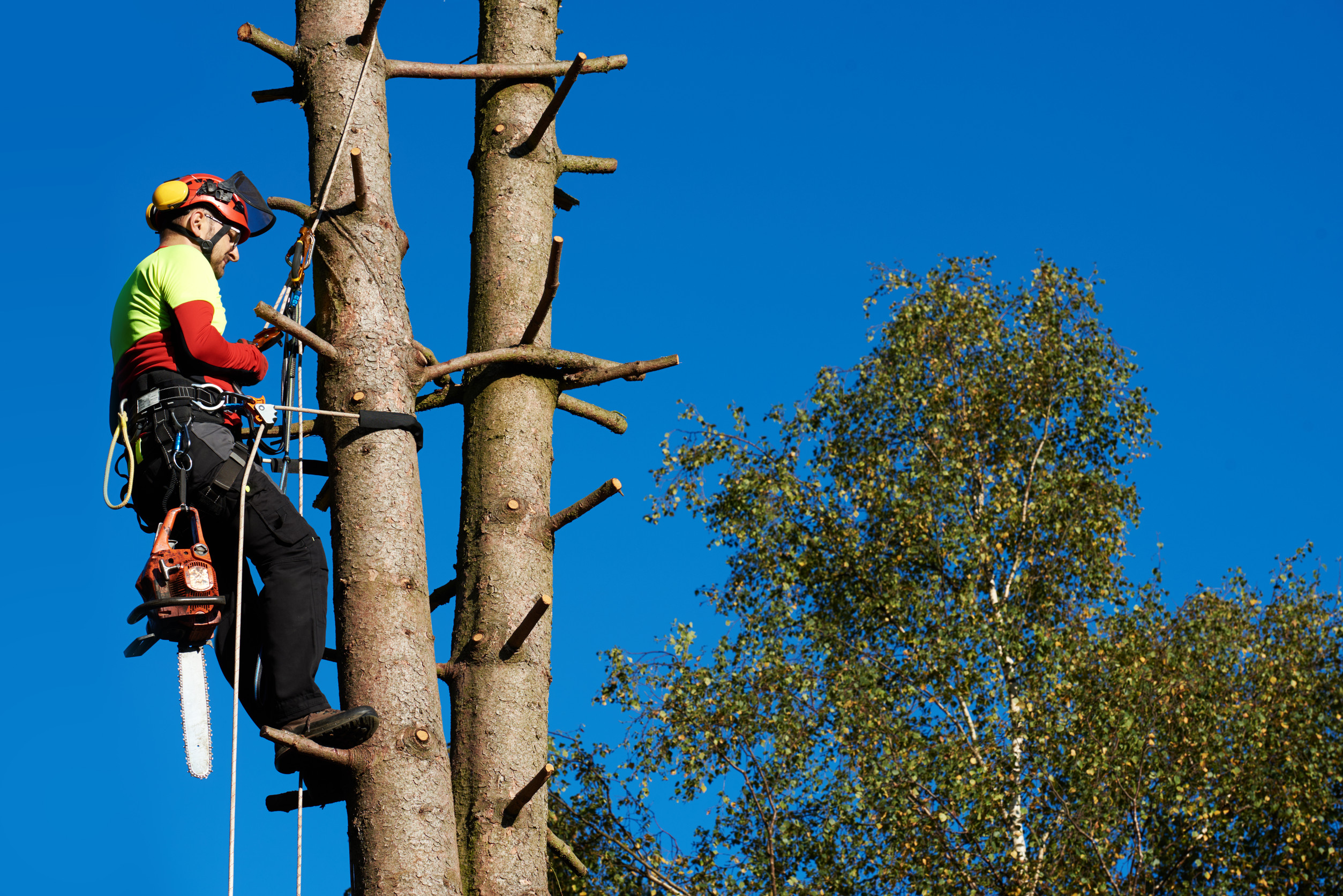
Whits End Tree Care is a family-owned, fully insured tree service based in the Brainerd Lakes Area with more than 20 years of experience. Their core services include tree removal, trimming and pruning, stump grinding, land clearing, and 24/7 storm response. Their site emphasizes safety-first work, clean results, fair pricing, and community involvement, including discounts for seniors and veterans.
This post is a reference-style guide for Minnesota homeowners—especially those around Brainerd, Nisswa, Baxter, and the surrounding lake-country communities. It explains what makes local tree care unique, how to read early hazard signs, how to plan trimming through the year, and what to do before and after storms. There are no hard calls to action here; think of this as a clear, evergreen page you can revisit each season.
A lot of online tree advice assumes milder climates. Minnesota trees live in extremes, and that shifts what “normal” looks like.
When water gets into small cracks in a trunk or branch union and freezes, it expands. Over time, those micro-failures widen. Add the weight of late-winter snow and ice, and you get stress points that don’t exist in warmer states. This is why some hazards only become obvious after a winter, even if a tree looked fine the previous fall.
Summer in the Brainerd Lakes area routinely brings wind bursts, downpours, and hail. Wind doesn’t need to be hurricane-level to cause damage when a canopy is overextended or a trunk is already compromised. Whits End’s storm response focus reflects how common these events are in the region.
Many properties here combine older pines, spruce, birch, and oak with more recent landscaping trees. Older trees bring beauty and shade, but also a higher chance of decay pockets, root weakening, or heavy deadwood. Newer ornamentals can suffer from crowding, poor pruning history, or transplant stress.
The takeaway: in Brainerd Lakes country, tree care is mostly about managing risk under real seasons.
Whits End Tree Care lays out several homeowner-visible hazard signs, and they align with broader arborist standards.
Here are the high-value signals to watch for on your own property.
Not all leaning trees are dangerous. Some grow that way naturally. The red flag is change:
That can mean root plate failure, which is one of the most common causes of total tree collapse.
Deadwood happens, but when you see:
Dead limbs also become heavy projectiles during summer winds.
Vertical cracks, seams, or hollow-sounding trunk zones are a serious hint at internal decay. Ice expansion can open these further each year. If a crack runs through a main union or looks freshly separated, it’s worth treating as urgent.
Fungal fruiting bodies (mushrooms) near roots or on the trunk often mean internal rot. Rot in the lower trunk or root flare is especially high-risk because it compromises the tree’s ability to stay upright.
Signs like:
Even a healthy tree can be a hazard if:
In those situations, proactive pruning is safer than reactive removal later.
The easiest way to keep trees healthy is to check them on a seasonal rhythm. You don’t need to do everything yearly; you just need consistency.
After snow and ice season:
Spring is also a good time for structural pruning on many species because growth is about to begin, and you can guide it cleanly.
Summer trimming is usually about:
Avoid heavy pruning in mid-summer heat unless a hazard requires it. Trees are under active water-stress in hotter periods and don’t always respond well to major canopy loss.
Fall in the Brainerd Lakes area is a strategic pruning window:
If a tree has a known weak union, fall is the time to reduce its weight. That makes winter safer.
Winter can be ideal for:
Many property owners schedule bigger structural work once the ground is stable and the canopy is leaf-off, making hazard assessment clearer. Whits End’s year-round service model fits this seasonal reality.
Whits End Tree Care’s storm-prep guidance reflects a simple truth: most storm damage is preventable if you reduce weak points early.
Here’s a homeowner-friendly storm-readiness checklist, written for our region.
Dead limbs fail first. Unions with included bark (tight V-shaped forks) are second. A good prune focuses on these before June–August storms.
A tree that’s heavier on one side catches wind unevenly. After a storm, if you notice asymmetry, it’s worth addressing before the next one.
Branches that rub your roof or hang over power drops are almost guaranteed to cause trouble eventually. Even a small clearance gap matters.
After long rains, roots lose grip. That’s when otherwise stable trees can tip. If you see soil heaving or new lean after heavy rain, take it seriously.
Storm damage often happens at the worst time. Knowing who to call for emergency response and how to document visible damage saves time and stress later. Whits End offers 24/7 storm response precisely for these windows.
Homeowners often want a simple rule. In reality, it comes down to function and risk.
Good pruning extends tree life and improves safety without changing the character of your yard.
Whits End’s service list includes both trimming and removal because many properties need a mixture: remove the truly hazardous trees, prune the rest for long-term health.
After removal, stumps are more than cosmetic issues.
In Minnesota yards, stumps can:
Stump grinding removes the bulk of the stump and helps the site return to useful ground. Whits End includes stump grinding as a core service for that reason.
Many Brainerd Lakes properties are in transition:
Land clearing isn’t the same as removal. It usually involves:
Because lake properties often have tight access and sensitive soils, using a team experienced in local terrain makes a big difference in how clean the result feels.
These phrases show up on Whits End’s about page, and they matter in tree work more than in most home services.
Tree care involves elevated work, heavy cutting, and unpredictable forces. A safety-first approach usually includes:
Insurance is similarly important because tree failures can affect homes, vehicles, docks, utility lines, and neighboring properties—especially on narrow wooded lots.
Even as a homeowner doing your own evaluation, it’s worth remembering that tree care is less like landscaping and more like structural risk management.
If you want a no-stress way to stay ahead of risk, do this each spring:
Rate each category 1–5:
Track the score annually. A steady decline signals planned pruning or phased removals. A sudden drop after a storm signals inspection now.
Most tree problems don’t start dramatic. They start quiet: a thinning top, a seam that widens a bit each thaw, a branch you notice rubbing the roof only when the wind is right. In the Brainerd Lakes climate, those quiet signs are your best chance to act early.
A service like Whits End Tree Care exists to handle the heavy, risky parts—removals, big trims, storm response, stump grinding—so properties stay safe and trees that can thrive get the structure they need.
Use this guide like a seasonal compass. If you keep a small rhythm—inspect after winter, prune strategically before storm season, and respond calmly after heavy weather—your trees tend to look better, live longer, and cause fewer surprises. That’s a win for your yard and your peace of mind.
Internal links:
External links: