Homeowners in the Brainerd Lakes Area understand just how special their landscapes are — serene lake views, mature pines, rugged terrain and that unmistakable Minnesota presence. For those with properties nestled among the forest and shore, caring for the trees around your home isn’t just a luxury—it’s essential. With more than 20 years serving the region, Whits End Tree Care brings the expertise and know-how to keep your property safe, healthy and visually appealing.
In this reference piece, we’ll walk through the key considerations when it comes to tree health, removal, trimming and long-term care. While no strong sales calls-to-action are included, you’ll come away better equipped to understand what matters — and what questions to ask.
The natural environment around Baxter, Brainerd and the Lakes Area is full of beautiful mature trees, varied terrain and changing weather. With this comes a few unique factors:
Whits End Tree Care emphasizes training, licenses and insurance—indications that working around these landscapes requires serious care. Understanding this backdrop helps you view tree care not just as maintenance, but as protecting your investment and safety.
Sometimes the best decision isn’t trimming but full removal. Here are key signals and factors:
Removing a hazardous tree prevents damage, liability and unwelcome emergencies. From an aesthetic perspective, removal can free up light, improve neighbour tree health and create space for new plantings.
It’s also worth noting: The earlier you address a compromised tree, the fewer downstream costs you will likely face (for property damage, stump removal or negative landscape impact).
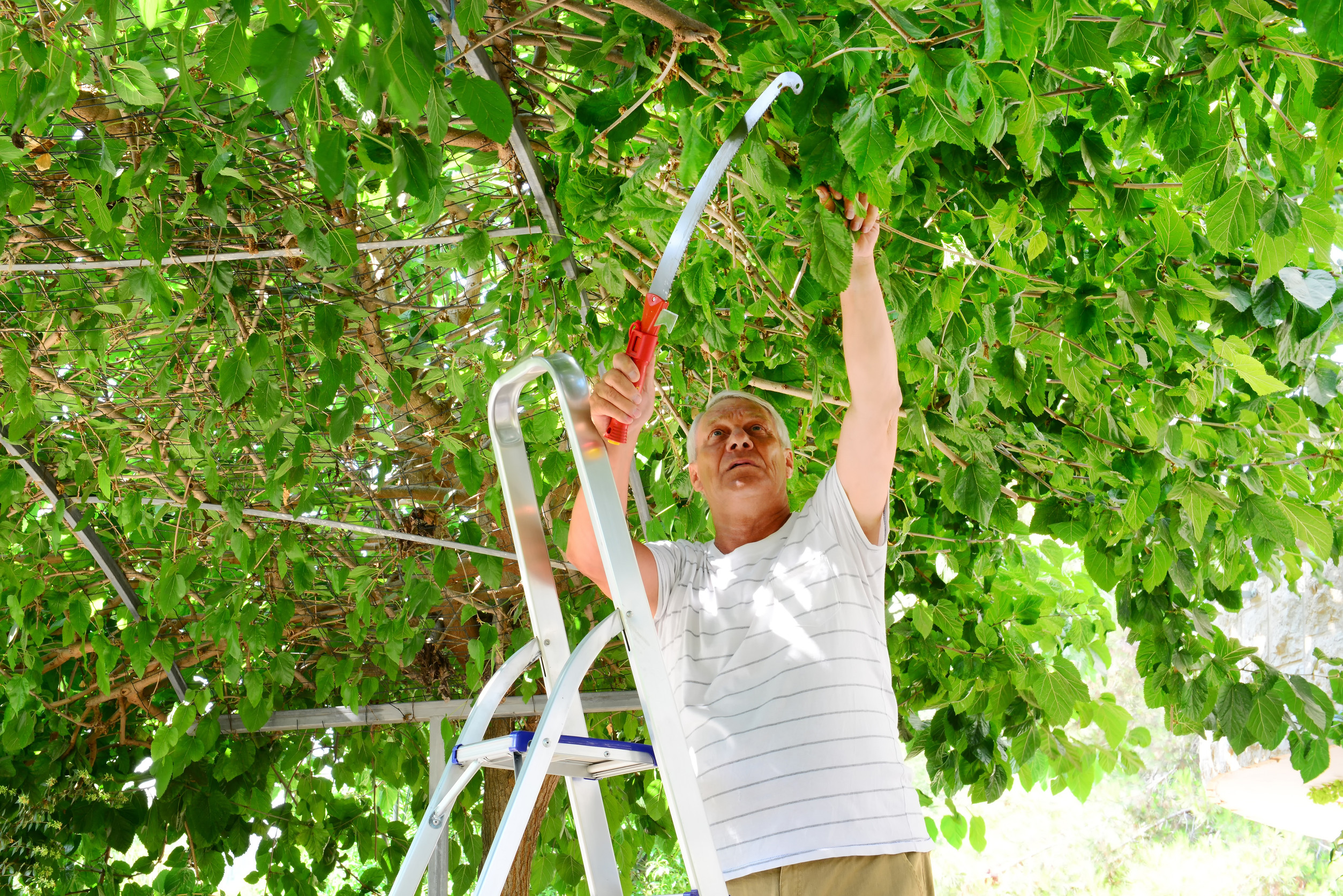
While removal is reactive, trimming and pruning are proactive. Regular upkeep can keep trees healthier, reduce hazards and enhance the look of your landscape. According to several industry sources, benefits include improved structure, reduced disease/pest risk, better light/airflow and longer tree life.
In the Lakes Area environment, with its snow load, wind and proximity of trees to cabins and lakefront, neglecting trimming can rapidly lead to failure of limbs, branches hanging over cabins or roofs, or trees leaning excessively into open space. A trimmed, well-maintained tree is less likely to become a liability.
Even though trimming seems simple, poor cuts or incorrect removal of limbs can create decay pockets, weak stubs or long-term health issues. Hiring experienced professionals (licensed, insured) is a wise move.
After removal, what happens to the stump and the site? These components matter for both safety and aesthetic reasons.
Whits End Tree Care lists “Complete stump elimination using specialized grinding equipment” as part of their services.
Also, “Land Clearing” is offered for construction or major site work.
When clearing larger areas (for additions, new cottages, lake-access zones) keep in mind:
Beyond immediate tasks, ongoing tree health matters. Here’s what a conscientious homeowner should keep an eye on:
In Minnesota’s Lakes Region, timing is particularly relevant.
Local terrain with lakeshore, slopes and mixed species means your service provider must know how to safely rig trees, protect structures, and operate equipment in more challenging settings. Whits End Tree Care states they have “lift-assisted projects using our 55-foot lift, and even complex technical climbing”.
Since not all tree services are equal, consider these factors when evaluating providers—even if you already work with a trusted company:
Here are a few things homeowners often wonder about:
Q: Can I just do the trimming myself?
A: For small branches in safe zones, yes—but large trees, limbs near buildings, power lines or in slippery lakeshore terrain are best handled by professionals. Also, poor cuts can harm tree health long-term.
Q: How often should I have a tree checked or trimmed?
A: While it varies by species and location, many healthy mature trees benefit from inspection every 2–5 years and trimming every 3–5 years, more often if in a risk-zone (close to structures, slopes, or heavy exposure).
Q: Is removal always needed if a branch falls?
A: Not necessarily—but if the tree’s structure is compromised (multiple lost limbs, cracks in trunk, root exposure), removal may be the safer, smarter choice.
Q: Will trimming reduce my tree’s lifespan?
A: Actually, done correctly, trimming tends to extend tree life by improving structure, reducing disease/pest risk and eliminating stress points. Many sources support this.
Q: What about wild/native trees near the lake—are they treated differently?
A: Yes. Trees in native or shoreline zones may have restrictions, need special equipment or practices, and should be evaluated for environmental impact (erosion, habitat, root systems). Good service companies will account for that.
For homeowners in the Brainerd Lakes Area, proper tree care isn’t optional—it’s both a safety matter and a landscape enhancement opportunity. Whether you’re maintaining mature motes of pines, dealing with a storm- inflicted downed tree, or planning a new construction and clearing site, understanding tree removal, trimming, stump grinding and long-term health is essential.
While this post is informational in nature, knowing how to ask the right questions means you’ll be more confident when you engage a service, review estimates, or inspect your property.
If you wish to explore more on how tree trimming benefits tree health or the risks of delaying care, reputable resources include the article “5 Benefits of Pruning and Trimming Trees” by TruGreen.