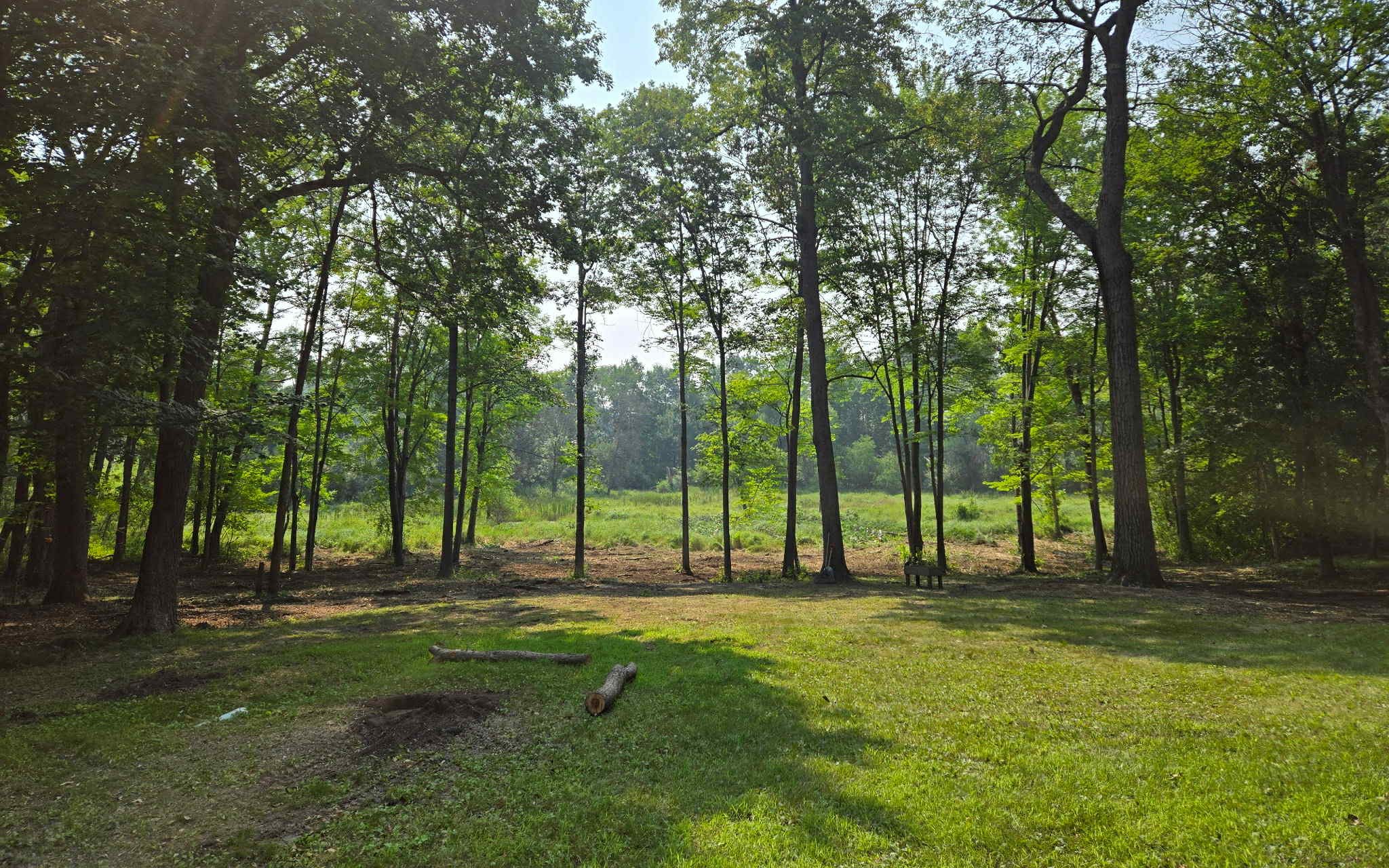
Trees are generous neighbors. They soften wind, shade homes in summer, anchor soil near lakes, and make a property feel established rather than newly placed. In the Brainerd Lakes Area, they also live in a climate that asks a lot of them—heavy snow loads, sudden wind events, wet springs, dry late summers, and freeze–thaw cycles that rehearse stress on repeat.
Because of that, tree care in Minnesota is not a rare, dramatic event. It’s a quiet, ongoing relationship between you, your land, and some of its oldest residents. When you care for trees thoughtfully, you protect more than a canopy: you protect roofs and powerlines, shorelines and driveways, and the day-to-day safety of your home.
Whits End Tree Care is a family-owned tree service based in the Brainerd region, with over 20 years of local experience. Their public materials emphasize high-risk tree removal, pruning, stump grinding, brush cutting, land clearing, tree health assessments, and 24/7 storm response—essentially the full suite of services most Minnesota property owners need during the life cycle of a treed lot.
This guide is written as a reference page for homeowners, cabin owners, and property managers. It explains what tree care actually involves, how to interpret early warning signs, and how to think through pruning and removal choices using Minnesota-appropriate logic. It also draws lightly from neutral educational sources on pruning timing and best practices.
Central Minnesota is a place of mixed forests and mixed conditions. The same property might have old pines on a sandy ridge, poplar and birch in damp pockets, and maples closer to the house. Each species carries different strengths and liabilities, and the regional weather creates predictable patterns of stress:
Whits End Tree Care’s emphasis on hazard assessments and storm response makes sense here because tree safety in Minnesota is seasonal, not static. A tree doesn’t have to be “bad” to be risky; it just has to be stressed at the wrong time under the wrong conditions.
Tree care is often described with a few shorthand terms. Let’s unpack what those terms generally mean in practice and why they matter on Minnesota lots.
Tree removal becomes “high-risk” when location and physics complicate the work: near homes, garages, fences, septic fields, powerlines, or other trees that must remain unharmed. Removal in these contexts is less like cutting a tree down and more like dismantling a structure.
Whits End Tree Care lists high-risk removal as a specialization, which implies they handle rigging, sectional takedowns, and safety protocols designed for tight sites and complex lean, rot, or storm damage situations.
Pruning is not about “making a tree smaller.” It’s a nuanced practice aimed at encouraging healthier structure, reducing hazard potential, and improving light and airflow through the crown.
Whits End emphasizes pruning as part of both maintenance and hazard reduction, consistent with industry logic: a well-pruned tree experiences storms better, heals wounds more predictably, and is less prone to tearing out at weak joints.
Stumps are the part of removal people underestimate. Leaving a stump can:
Whits End’s stump removal service is a natural companion to removals, especially in lake-country properties where yards and trails get heavy foot traffic.
Many Minnesota properties are a mix of open space and regenerating brush. Brush cutting keeps trails passable, reduces tick habitat, and can restore shoreline visibility or fire-break spacing. Land clearing is a broader service for building sites, view corridors, or lot redevelopment.
Whits End lists both services, indicating their scope reaches beyond single-tree jobs into property-level vegetation management.
Healthy trees don’t always look healthy, and unhealthy trees don’t always look sick from the driveway. A tree health assessment typically evaluates:
Whits End’s site highlights these assessments in the context of hazard prevention and long-term care.
Minnesota pruning is largely about timing and purpose. A neutral University of Minnesota Extension guide notes that late dormant season (late winter) is the best time for most pruning because trees are not actively growing and pests/pathogens are less active.
Good pruning is purposeful. It can:
Whits End’s blog guidance about hazard signs and safe removal implies a similar philosophy: pruning is preventive maintenance, not just aesthetics.
Trees rarely fail without warning. The warnings are just subtle enough that people often ignore them—until a storm arrives.
Whits End’s hazard-signs post mentions the importance of professional evaluation when these markers show up.
Common hazard indicators include:
You don’t need to panic if you see one sign. But in Minnesota, hazards compound. A stressed tree in a wet spring can fail in a summer windstorm that another tree would shrug off.
People sometimes assume tree removal is straightforward. In reality, tree removals are high-energy engineering tasks. The mass of a mature ash, oak, or pine can be several tons. Once gravity is involved, “close enough” is not a safety margin.
Whits End’s safe-removal guide reinforces the idea that professional crews reduce risk to people, structures, and surrounding trees through training, insurance, and proper equipment.
A professional removal approach typically includes:
For lake properties with narrow setbacks and dense canopies, these methods aren’t luxury—they’re normal procedure.
Storms are inevitable in Minnesota. The best time to prepare trees for storms is when the sky is calm.
Whits End’s storm-prep writing frames readiness as primarily about reducing weak points before weather exploits them.
A grounded storm-prep mindset includes:
Storm prep is not about making a property treeless. It’s about keeping the trees you have safer, healthier, and more predictable under load.
Brush cutting doesn’t get the romance of big removals, but it’s one of the highest-value services for many Minnesota landowners.
On cabins and rural lots, brush and low-growth clearing can:
Whits End’s listing of brush cutting plus land clearing suggests a practical understanding of Minnesota properties, where the “edge zone” between woods and yard can quickly reclaim open space without routine management.
The best tree care isn’t reactive. It’s a long-view approach that balances safety, beauty, and ecological value.
A simple long-term strategy could look like:
Neutral ISA homeowner resources describe this as “tree stewardship”—a relationship that keeps trees safe and resilient as they mature. Trees are Good
Whits End’s family-owned, community-rooted positioning fits this stewardship model: consistent care, local knowledge, and an emphasis on safety over spectacle.
Tree care in Central Minnesota is about living comfortably with the landscape you chose. With the right pruning at the right time, hazards can be reduced before storms arrive. With considered removals and stump work, properties remain safe and usable. With brush cutting and land clearing, the boundary between yard and forest stays intentional instead of accidental.
Whits End Tree Care’s public content reflects the needs of Brainerd-area homeowners and cabin owners: high-risk removal, pruning, stump grinding, land clearing, tree health assessments, and around-the-clock storm response, backed by decades of local experience and full insurance coverage.
In a region where trees are both blessing and responsibility, thoughtful care is what lets them stay the first one, and not drift into the second.